
Root-Zone & Atmospheric
Irrigation Telemetry.
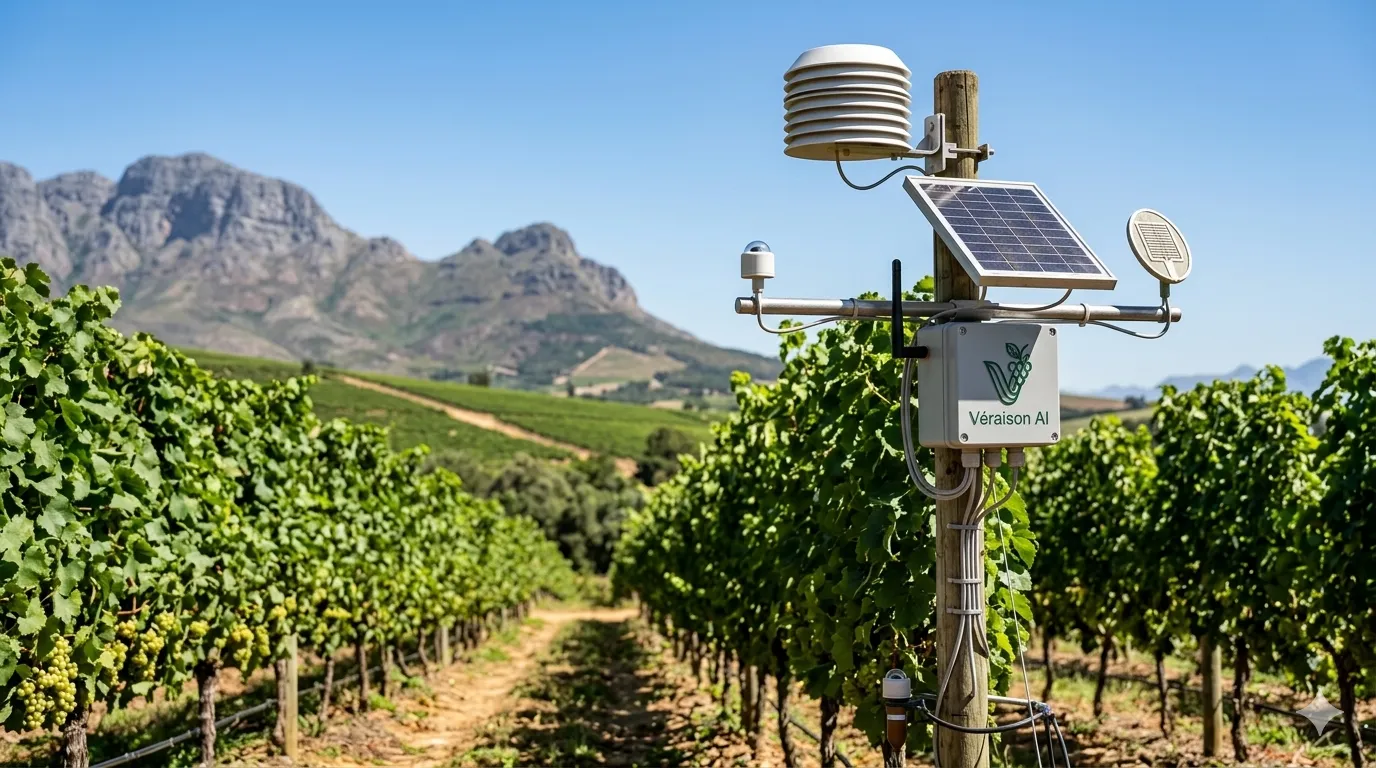
Effective irrigation management balances subterranean soil moisture reserves with actual crop transpirational demand. Véraison measures volumetric soil moisture within the active root horizon alongside pyranometer solar radiation, canopy temperature, and relative humidity to help growers make informed scheduling decisions.
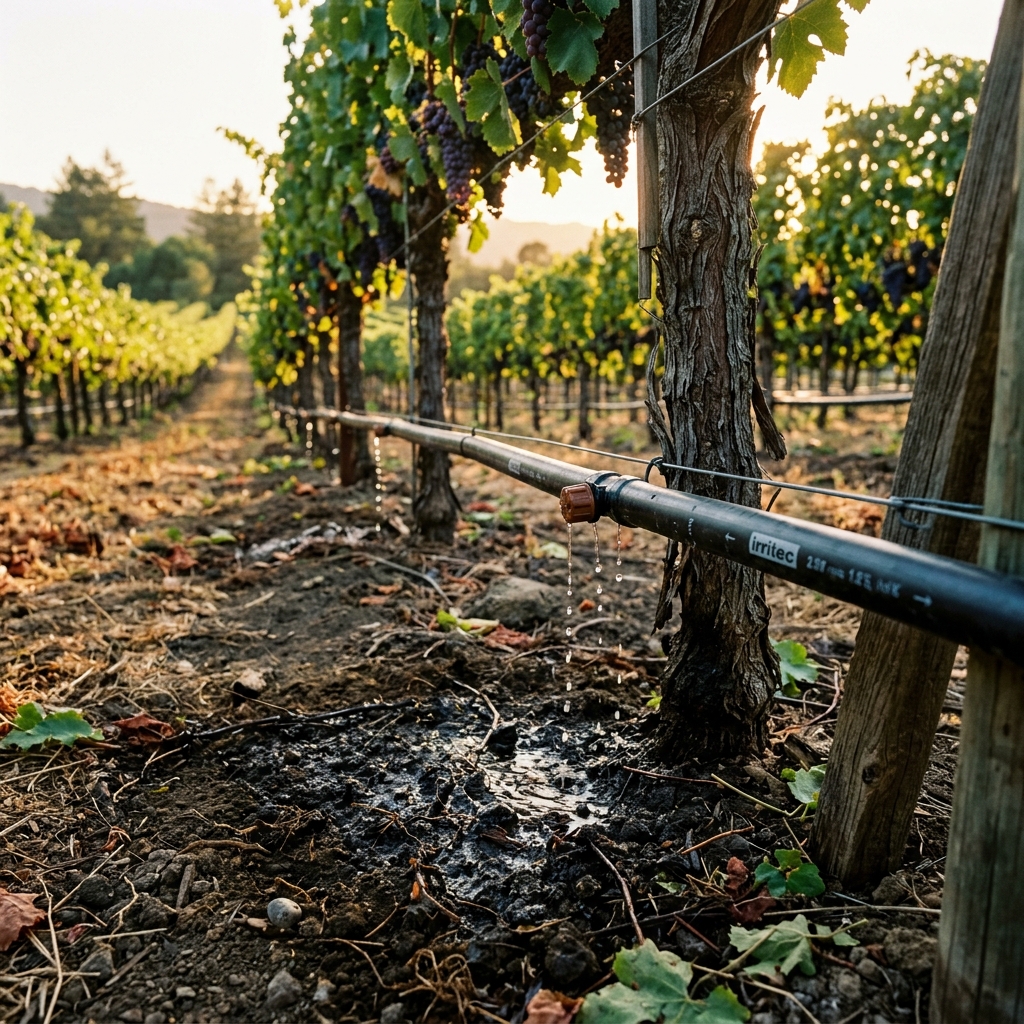
Root-Zone Probe
Volumetric Water %
Solar Radiation
Pyranometer W/m²
Canopy VPD
Atmospheric Draw kPa
Pumping Schedules
Demand-Based Timing
Balancing root moisture with atmospheric demand.
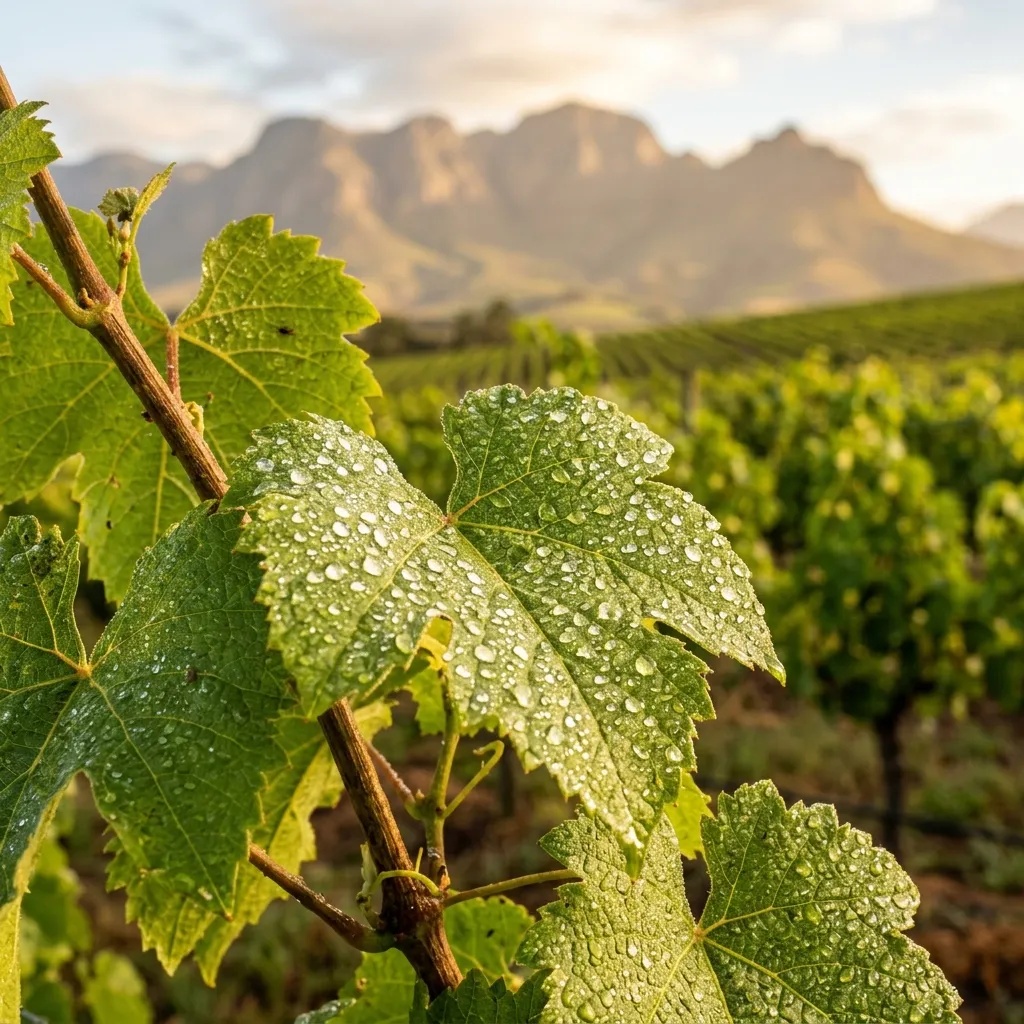
Plant water status is never determined by soil moisture alone. A crop in moist soil can still experience acute transient water stress on an arid, windy afternoon when atmospheric evaporative pull outpaces the plant’s vascular uptake capacity.
Below Ground: Root-Zone Moisture
A calibrated soil moisture probe installed directly within the crop’s active root zone tracks continuous hydration, helping identify field capacity and the specific refill threshold for your soil type.
- Continuous volumetric water content (VWC %)
- Observation of soil drying slopes following irrigation
- Identification of root zone field capacity and refill points
- Helps prevent water percolation past active root depth
Above Ground: Atmospheric Demand
Irrigation requirements depend directly on atmospheric evaporative pull. Our pyranometer measures incoming solar radiation, while in-canopy temperature and humidity track Vapor Pressure Deficit (VPD).
- Pyranometer tracking incoming solar radiation (W/m²)
- Vapor Pressure Deficit (VPD) calculating atmospheric pull
- In-canopy temperature and relative humidity sensing
- Wind speed tracking for boundary layer evaporation
Regulated Deficit Irrigation (RDI).
In perennial viticulture and tree crops, irrigation is often used strategically to manipulate vegetative shoot vigor and concentrate fruit quality. Véraison provides continuous data to help managers track dry-down trends without crossing damaging stress thresholds.
Early Canopy Development
Unconstrained Hydration
Ensure adequate root-zone moisture to support uniform shoot elongation, leaf canopy surface area, and healthy flower cluster development without early moisture stress.
Regulated Deficit (RDI)
Managed Moisture Moderation
Carefully manage root-zone water availability to arrest excessive vegetative shoot tip growth, directing photosynthetic carbohydrates toward developing berry clusters and skin development.
Ripening & Post-Harvest
Maintenance & Replenishment
Apply measured irrigation to sustain canopy photosynthetic capacity through ripening without diluting fruit solutes, followed by post-harvest root hydration to rebuild carbohydrate reserves.
Direct readings from the active root zone.
Surface soil dries quickly under sun and wind exposure, which can mislead visual row inspections. Conversely, deeper subsoil may retain moisture that remains out of reach if rooting depth is constrained.
Véraison’s soil moisture probe is installed directly in the active root absorption zone of the crop. Continuous volumetric water content data helps managers observe when irrigation pulses reach the root zone and track the rate of moisture consumption over time.
Water efficiency, energy timing, and soil aeration.
Water availability and pumping electricity costs require disciplined management. In-row telemetry addresses three fundamental operational objectives:
Preventing Deep Drainage & Nutrient Leaching
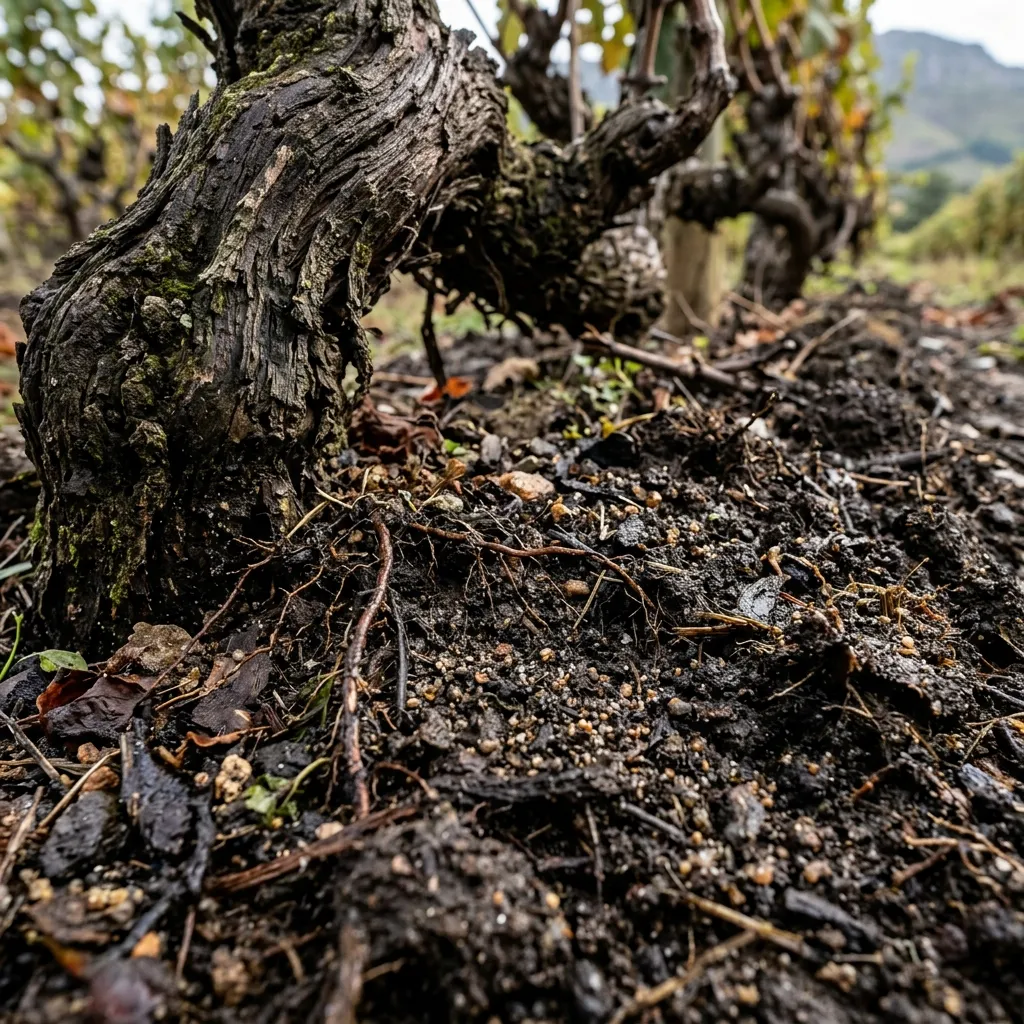
When irrigation runs longer than the soil can hold in the active root horizon, excess water drains past root depth—taking expensive soluble nitrogen, potassium, and micronutrients into groundwater.
Optimizing Pumping Run-Times & Energy
Running irrigation pumps on fixed schedules often leads to over-watering during cool, humid weeks or under-watering during intense heat spikes. Aligning runtime with actual microclimate demand helps avoid wasted energy.
Preserving Root Aeration & Soil Health
Consistently waterlogged soils displace oxygen from soil pores, causing root asphyxiation, reducing nutrient uptake efficiency, and creating conditions favorable for soil-borne root rot pathogens like Phytophthora.
Explore Other Operational Solutions
Discover how Véraison transforms weather and soil telemetry across your estate.
Ready to see your estate differently?
Apply for access and have your first Véraison Sensor Node installed ASAP.